Why Mechanic Training in Minneapolis Minnesota Is in High Demand
Air travel in the United States continues to expand, and with it comes the need for qualified aircraft maintenance technicians. Every commercial aircraft must be regularly inspected, repaired, and maintained according to strict federal safety regulations. This work is performed by FAA-certified Airframe & Powerplant (A&P) mechanics.
Several factors are driving demand for aviation maintenance professionals:
-
Airline fleet expansion
-
Increasing aircraft utilization
-
Retirements of experienced mechanics
-
Growth in cargo aviation
-
Expansion of aircraft maintenance repair organizations (MROs)
Because of these trends, pursuing mechanic training in Minneapolis Minnesota can lead to strong career opportunities in aviation maintenance.
The Minneapolis–Saint Paul region is home to significant aviation infrastructure and airline operations, making it a logical location for training and workforce development.
What Aircraft Mechanics Do
Aircraft mechanics play a critical role in aviation safety. Their responsibilities include inspecting, maintaining, troubleshooting, and repairing aircraft systems to ensure that every aircraft meets strict safety standards.
Students pursuing mechanic training in Minneapolis Minnesota learn how to work on a wide range of aircraft components and systems.
Typical responsibilities of aviation maintenance technicians include:
Airframe Maintenance
Airframe maintenance focuses on the physical structure and mechanical systems of the aircraft.
Technicians learn to maintain:
-
Aircraft fuselage structures
-
Flight control systems
-
Landing gear assemblies
-
Hydraulic systems
-
Electrical systems
-
Cabin pressurization systems
-
Fuel systems
Airframe technicians ensure that the structural integrity and operational systems of the aircraft remain in optimal condition.
Powerplant Maintenance
Powerplant maintenance focuses on the aircraft engine and propulsion systems.
Students studying mechanic training in Minneapolis Minnesota learn how to maintain and troubleshoot:
-
Piston engines
-
Turbine engines
-
Fuel delivery systems
-
Engine cooling systems
-
Propellers and rotor systems
-
Engine monitoring systems
Powerplant technicians are responsible for ensuring the engine operates efficiently and safely.
FAA Certification: The Airframe & Powerplant License
The most important credential for aircraft mechanics in the United States is the FAA Airframe & Powerplant (A&P) certificate.
This certification allows technicians to legally inspect, repair, and approve aircraft for return to service.
Students completing mechanic training in Minneapolis Minnesota typically prepare for three FAA examinations:
-
General Knowledge Exam
-
Airframe Exam
-
Powerplant Exam
Once these exams are completed successfully, graduates earn the A&P certification and become qualified to work on aircraft across the United States.
Inside an Aircraft Mechanic Training Program
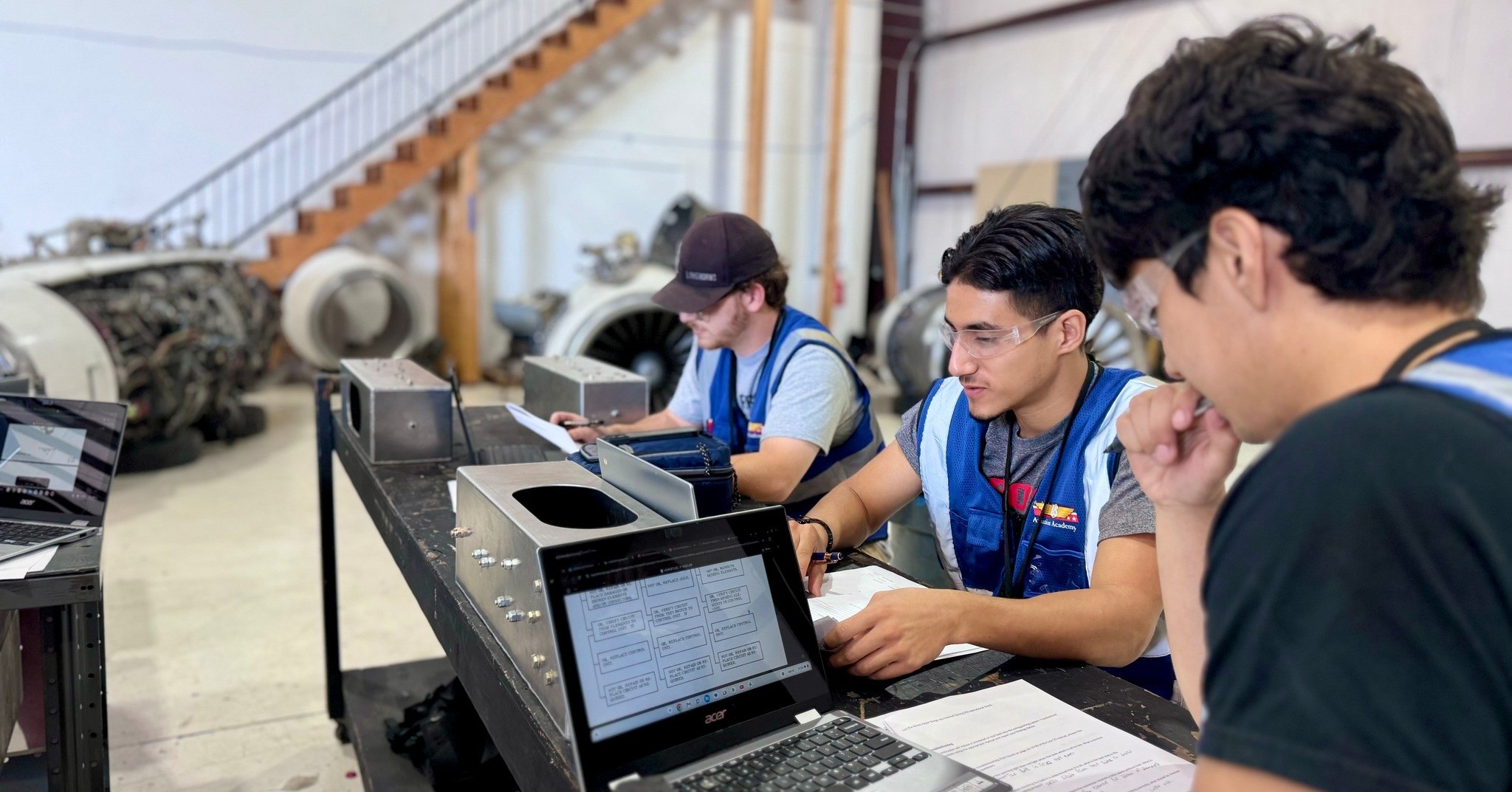
Students enrolled in mechanic training in Minneapolis Minnesota participate in a combination of classroom instruction and hands-on technical training.
The curriculum typically includes over 1,900 hours of training covering the knowledge and skills required to maintain aircraft safely.
Training topics include:
Aviation Safety and Regulations
Students learn FAA maintenance regulations and safety standards, including:
-
Federal Aviation Regulations (FARs)
-
Aircraft documentation requirements
-
Maintenance record keeping
-
Inspection procedures
These topics ensure mechanics understand regulatory compliance and aviation safety requirements.
Aircraft Systems
Students study the mechanical systems that allow aircraft to operate safely.
Training includes:
-
Electrical systems
-
Hydraulic systems
-
Pneumatic systems
-
Navigation equipment
-
Communication systems
-
Flight control mechanisms
Understanding these systems is essential for diagnosing and repairing aircraft problems.
Structural Repair
Aircraft structures must be maintained to extremely high standards. Students learn structural repair techniques including:
-
Sheet metal fabrication
-
Riveting and fastener installation
-
Composite materials repair
-
Structural inspections
These skills allow mechanics to repair damage and maintain aircraft structural integrity.
Engine Maintenance
Powerplant training focuses on engine performance, inspection, and repair.
Students studying mechanic training in Minneapolis Minnesota learn how to:
-
Disassemble and reassemble engines
-
Diagnose engine problems
-
Replace worn components
-
Conduct engine performance testing
Engine maintenance is one of the most technically demanding areas of aviation maintenance.
Why Minneapolis Is a Strategic Location for Aviation Training
Minneapolis–Saint Paul is a major aviation center in the United States. The region supports commercial airline operations, cargo transportation, and aviation services.
The area around Minneapolis–Saint Paul International Airport supports significant aviation activity and maintenance operations.
Benefits of pursuing mechanic training in Minneapolis Minnesota include:
-
Access to aviation employers
-
Exposure to real-world aviation environments
-
Strong transportation infrastructure
-
A growing aviation workforce demand
The region’s aviation ecosystem provides opportunities for internships, networking, and career development.
Career Opportunities After Mechanic Training
Graduates completing mechanic training in Minneapolis Minnesota can pursue careers across a wide range of aviation sectors.
Common career paths include:
Airline Maintenance
Commercial airlines employ large teams of certified aircraft mechanics to maintain their fleets.
Mechanics working for airlines perform routine inspections, scheduled maintenance, and repairs.
Maintenance Repair Organizations (MROs)
MRO facilities specialize in aircraft overhaul, inspection, and major maintenance projects.
Technicians working in MRO environments may work on a wide variety of aircraft types.
Corporate Aviation
Corporate flight departments maintain private aircraft used for business transportation.
These positions often involve maintaining smaller aircraft fleets and working closely with flight crews.
Cargo Aviation
Cargo operators maintain aircraft used for freight and logistics operations.
As e-commerce continues to grow, cargo aviation is expanding rapidly.
Salary Potential for Aircraft Mechanics
Aviation maintenance careers offer strong long-term earning potential.
Entry-level aircraft mechanics often begin with competitive starting salaries, and earnings typically increase with experience and specialization.
Experienced aircraft mechanics may advance into roles such as:
-
Lead mechanic
-
Maintenance supervisor
-
Quality assurance inspector
-
Maintenance manager
Many aviation maintenance professionals also pursue specialized certifications and training to increase their earning potential.
The Future of Aviation Maintenance Careers
The aviation industry is expected to require thousands of new aircraft mechanics over the coming decades.
Several factors will continue to drive demand for aviation maintenance technicians:
-
Aircraft fleet expansion
-
Increased air travel demand
-
Retirement of experienced mechanics
-
Growth in cargo aviation
-
Expansion of aviation training programs
For individuals interested in technical careers, mechanic training in Minneapolis Minnesota offers a pathway into a stable and growing industry.
Start Your Journey in Mechanic Training in Minneapolis Minnesota
Becoming an aircraft mechanic requires dedication, technical skill, and a commitment to aviation safety. With the right training environment, students can develop the knowledge and hands-on experience needed to succeed in the aviation industry.
Through programs offered by US Aviation Academy, students interested in mechanic training in Minneapolis Minnesota can begin building the skills required to earn FAA certification and pursue aviation careers.
As aviation continues to expand worldwide, the need for highly trained aircraft mechanics will only grow—making now an excellent time to start a career in aviation maintenance.