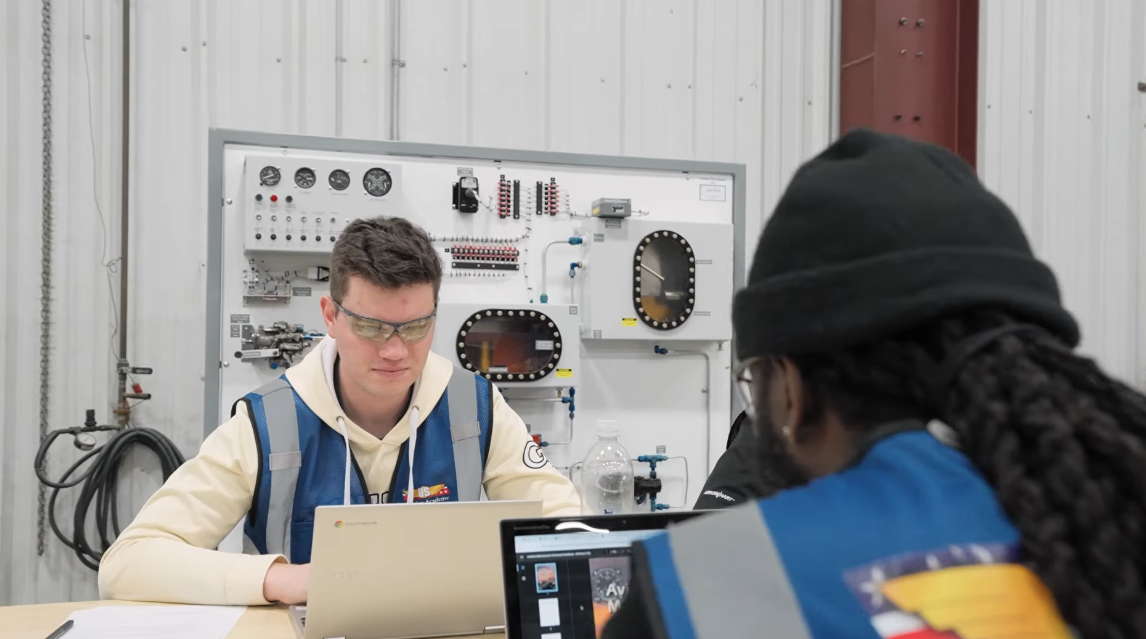
Aircraft Mechanic Training in Orlando Florida
If you’ve been looking into becoming an aircraft mechanic in Orlando Florida, you’re stepping into the industry at a very unique time. Aviation maintenance isn’t just in demand—it’s becoming one of the most critical workforce gaps in the entire transportation sector. Airlines are expanding, fleets are aging, and experienced mechanics are retiring faster than they can be replaced. The result is simple: companies are hiring aggressively, wages are climbing, and qualified technicians are becoming harder to find.
This isn’t a short-term hiring trend. It’s a long-term shift that’s expected to shape the industry for the next 15–20 years.
A Shortage That’s Driving Real Opportunity
Across the U.S., the aviation industry is facing a steady and growing shortage of FAA-certified A&P mechanics. A large percentage of today’s workforce is nearing retirement age, and there simply aren’t enough trained technicians entering the field to keep up. At the same time, more aircraft are flying than ever before, and those aircraft require constant inspection, maintenance, and repair.
For someone in the Orlando area, that shortage translates directly into opportunity. Employers aren’t just hiring—they’re competing. And when companies compete for talent, everything improves for the employee: pay, benefits, schedules, and long-term career stability.
You’re not stepping into a crowded job market. You’re stepping into one that needs you.
Earnings Growth Is Moving Fast
Aircraft maintenance used to be seen as a steady, middle-income trade. That’s no longer the case. As demand has increased, so has compensation—and it continues trending upward.
Many mechanics today are starting out in the $50,000 range and moving up quickly within their first few years. With experience, certifications, and the right opportunities, it’s not uncommon to see earnings climb into the $70,000 to $90,000 range—and higher in specialized or airline roles.
What’s changed most isn’t just the ceiling—it’s the speed. Mechanics are reaching higher income levels faster than they did even five to ten years ago. The shortage is accelerating career progression.
There’s also a financial reality people don’t always consider: the sooner you enter the workforce, the sooner you start earning. In a high-demand field like this, getting certified and working even a year earlier can mean tens of thousands of dollars in additional income over time.
Why Orlando, Florida Is a Strong Starting Point
Orlando may not always be the first city people think of for aviation maintenance, but it sits in a very strong regional position. Florida is one of the most active aviation states in the country, with commercial airlines, cargo operations, private aviation, and maintenance facilities spread throughout the region.
That means students in Orlando aren’t isolated—they’re surrounded by opportunity. And with the ability to start training through a hybrid approach, you don’t have to wait to begin.
Aircraft Mechanic Training Pathway for Orlando Students
For those searching aircraft mechanic Orlando Florida, one of the most practical paths forward is starting through US Aviation Academy’s hybrid model and then transitioning into hands-on training at a nearby campus.
The current primary pathway being offered is a 16-month night program, designed specifically for students who need flexibility while working or managing other responsibilities. It’s structured to allow steady progress without forcing you to step away from your current income.
Students can begin with foundational coursework online, easing into the program before relocating for the hands-on portion of training. That transition is what allows many Orlando-area students to plan their move strategically rather than all at once.
While this 16-month pathway is the primary offering right now, additional program options are expected to be available soon, giving students even more flexibility in how quickly they move through training.
What Makes This Pathway Work
There’s a reason this structure is gaining traction. It balances real-world needs with career progression.
A few key advantages stand out:
- Ability to start training from the Orlando area before relocating
- A night schedule that works around daytime employment
- A structured path toward FAA A&P certification
- Access to hands-on training at an established campus
- A pace that allows you to build momentum without burnout
It’s not about rushing—it’s about making steady, realistic progress toward a career that has long-term payoff.
The Relocation Step — What to Expect
At some point, hands-on training becomes essential. Aviation maintenance is a physical, technical skill, and there’s no substitute for working directly on aircraft.
For Orlando students, the most practical transition is to the Atlanta-area campus, which is one of the closest full training locations. The move is typically planned after completing initial coursework, giving students time to prepare financially and logistically.
In some cases, students relocating more than 50 miles may be eligible for relocation incentives, depending on availability and timing. These programs can change, but they’re worth exploring as part of the planning process.
Career Outlook After Training
Once certified, the job market opens quickly. Airlines, maintenance repair organizations (MROs), and aviation companies across the country are actively hiring—and many are willing to bring in entry-level technicians because of how tight the labor market has become.
From there, the growth is what makes the career stand out. Advancement doesn’t take decades. With experience, additional certifications, and the right opportunities, mechanics can move into higher-paying roles, specialized work, or leadership positions faster than most trades.
There’s a reason more people are starting to look into becoming an aircraft mechanic in Orlando Florida. The industry isn’t just growing—it’s actively searching for the next generation of technicians to keep it running.
The combination of strong demand, rising pay, and structured training pathways makes this one of the more practical career moves available right now. And with a flexible 16-month program designed for real-life schedules, it’s possible to start moving toward that career without putting everything else on hold.
If anything, the biggest takeaway is timing. The shortage is here today, and those who enter the field now are stepping into an environment where opportunity isn’t limited—it’s expanding.